


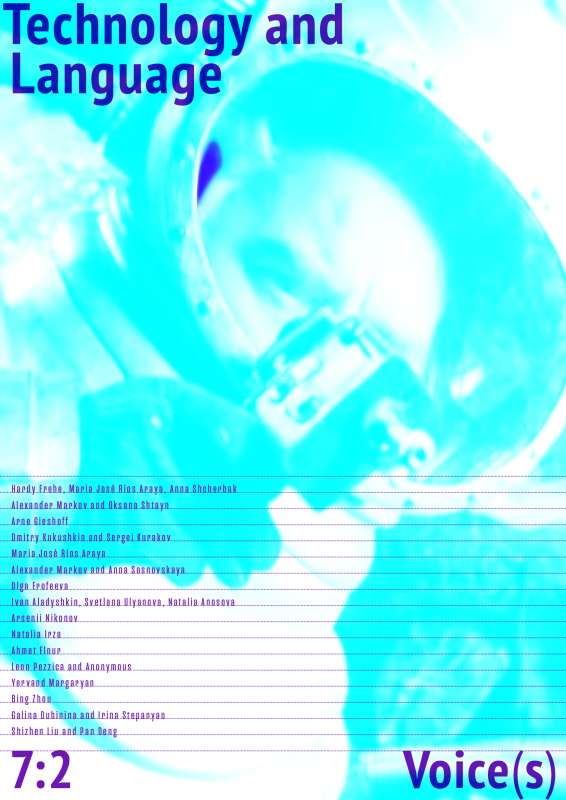
Machine Learning for Learning Machines
This special issue explores the profound intersection of machine learning, language, and pedagogy, questioning the fundamental role of artificial intelligence in educational and linguistic coordination. Rooted in the age-old dream of combinatorial devices — echoing historical figures from Ramon Llull to Jorge Luis Borges — the collection investigates whether language and thought can be automated without appeals to meaning and reference. As generative AI becomes ubiquitous, we confront a landscape where machines train humans, write academic prose, and simulate understanding. This issue brings together philosophers of technology, linguists, and educational theorists to analyze this paradigm shift. It spans historical genealogies of educational automation, the cognitive potential of human-AI interfaces, and empirical studies on AI literacy and coaching, alongside critical examinations of AI detection systems and the capacity of machines to truly «think». Furthermore, a dedicated subsection reflects on Borges’s 1937 essay «Ramon Llull’s Thinking Machine,» using this historical lens to dissect contemporary generative models. Taken together, the collected papers reveal an increasingly recursive relationship between machine learning and human learning, bringing questions of epistemic agency, disciplinary expertise, semantic judgement, and evaluative competence to the center of debates about what it means to learn in an age of generative AI. This issue frames these diverse contributions, charting a course through the promises and perils of the automated word.